Back Pain Relief Starts With the Right Diagnosis
Back pain is common,1,2 and treatment isn’t one-size-fits-all. Identifying the cause can help guide care, including ultra‑minimally invasive techniques and nonfusion procedures designed to help relieve symptoms and preserve motion.
You Are Not Alone
Eight out of 10 adults experience back pain at some point in their lives.1,2
Read Real Patients' Stories
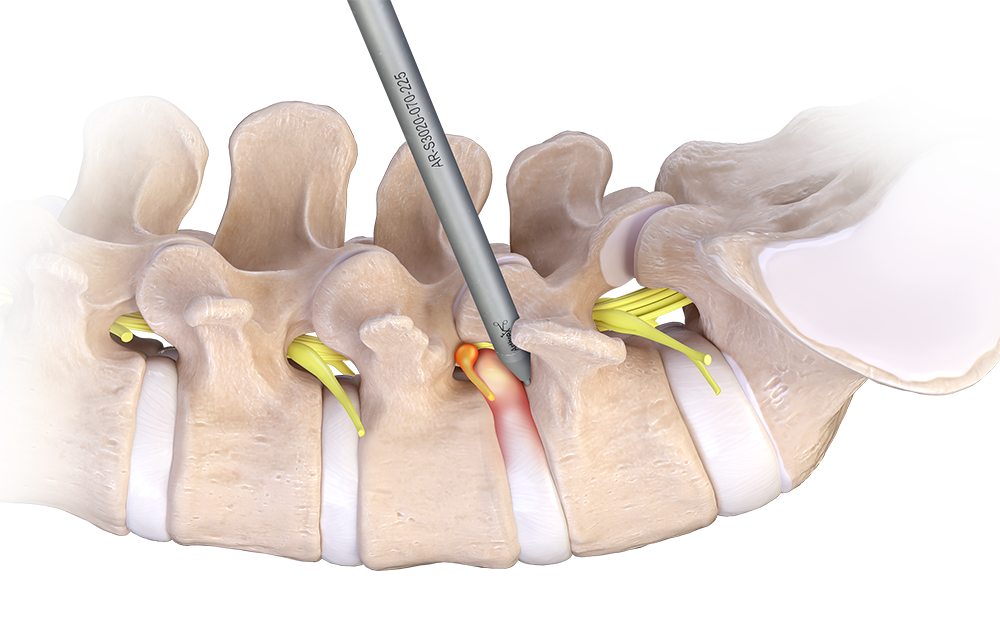
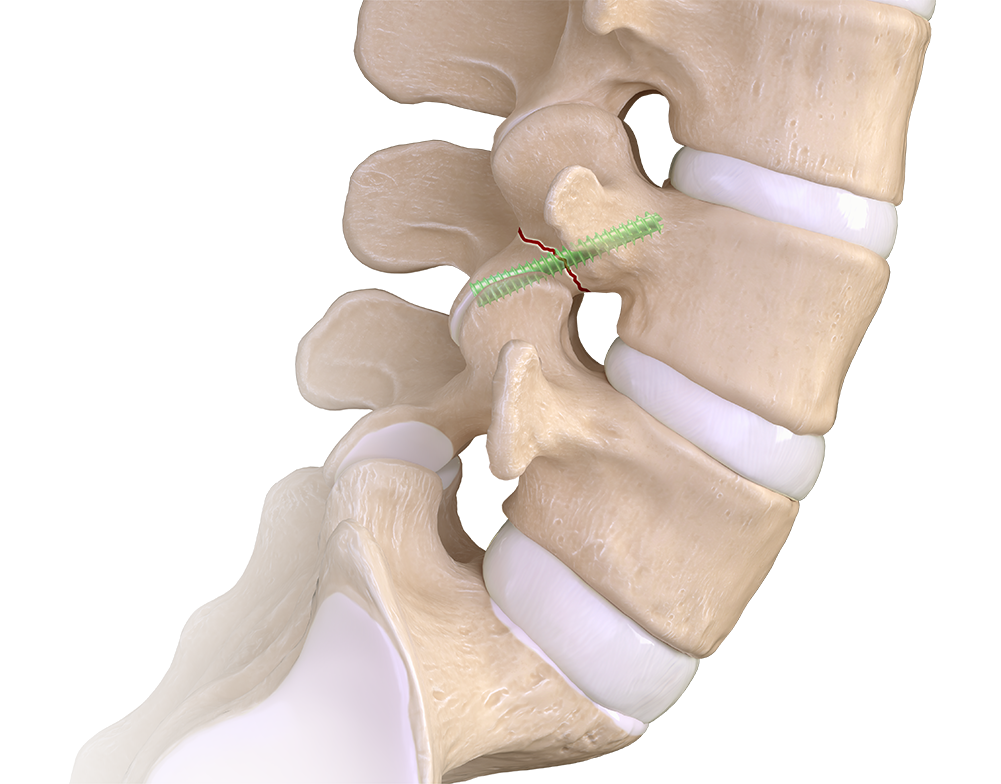
The spine is a complex structure that allows movement and provides stability. When affected by injury or conditions such as disc herniation, spinal stenosis, arthritis, or a pars fracture (a stress fracture in the lower back), you may experience pain, numbness, weakness, or stiffness.
For many people, these symptoms can interfere with everyday life. The right diagnosis is the first step toward finding the most appropriate treatment.


Facet Joint Arthritis
Spinal Stenosis
Herniated Disc
Pars Fracture (Spondylolysis)
What Treatment Options Are Available for Spine Conditions?
Treatment depends on the cause of your back pain and your individual goals. Your doctor will recommend a treatment plan based on your condition.
Explore treatment options based on your condition, symptoms, and treatment goals.