

What Is a Pars Fracture and How Is It Treated?
A pars fracture, also known as spondylolysis, is a lower back stress fracture affecting a small part of the spine. Pars fractures are most often caused by repeated stress but sometimes by acute injury or, less commonly, a congenital defect. It can lead to persistent low back pain and limited mobility, especially in young, active individuals, including adolescent athletes who participate in sports such as gymnastics, cheerleading, and football.
When symptoms affect daily life, some adolescents and young adults with acute pars fractures may be candidates for pars fracture surgical repair, a minimally invasive procedure that stabilizes the bone while preserving motion. It is generally not recommended for older adults or long-standing fractures, which are more often treated in other ways.
When symptoms affect daily life, some adolescents and young adults with acute pars fractures may be candidates for pars fracture surgical repair, a minimally invasive procedure that stabilizes the bone while preserving motion. It is generally not recommended for older adults or long-standing fractures, which are more often treated in other ways.
What Causes Pars Defects?
Pars fractures typically occur due to overuse, particularly in high-intensity sports that involve repetitive bending or extension motions, such as gymnastics, cheerleading, and football.
Genetics can also play a role.1 Some children may be born with a thinner pars area, which could increase the risk of developing spondylolysis and, in some cases, require surgical repair to correct it.
Genetics can also play a role.1 Some children may be born with a thinner pars area, which could increase the risk of developing spondylolysis and, in some cases, require surgical repair to correct it.
Where Do Pars Fractures Typically Occur?
Pars fractures typically occur in the lower back (lumbar spine), where the spine carries the most stress. Repetitive movements like extension, twisting, or bending place even more pressure on this area, making lumbar pars fractures especially common in young athletes.
.png)
What Are the Common Symptoms of a Pars Fracture?
Since pars fractures mainly occur in the lumbar region of the spine, the most common symptom is low back pain that worsens with activity and improves with rest. While rest may provide short-term relief, the fracture often takes months to heal and frequently doesn’t heal on its own. If symptoms continue and care is delayed, the injury can gradually worsen, increasing the risk of long-term problems or progression to a more serious condition.
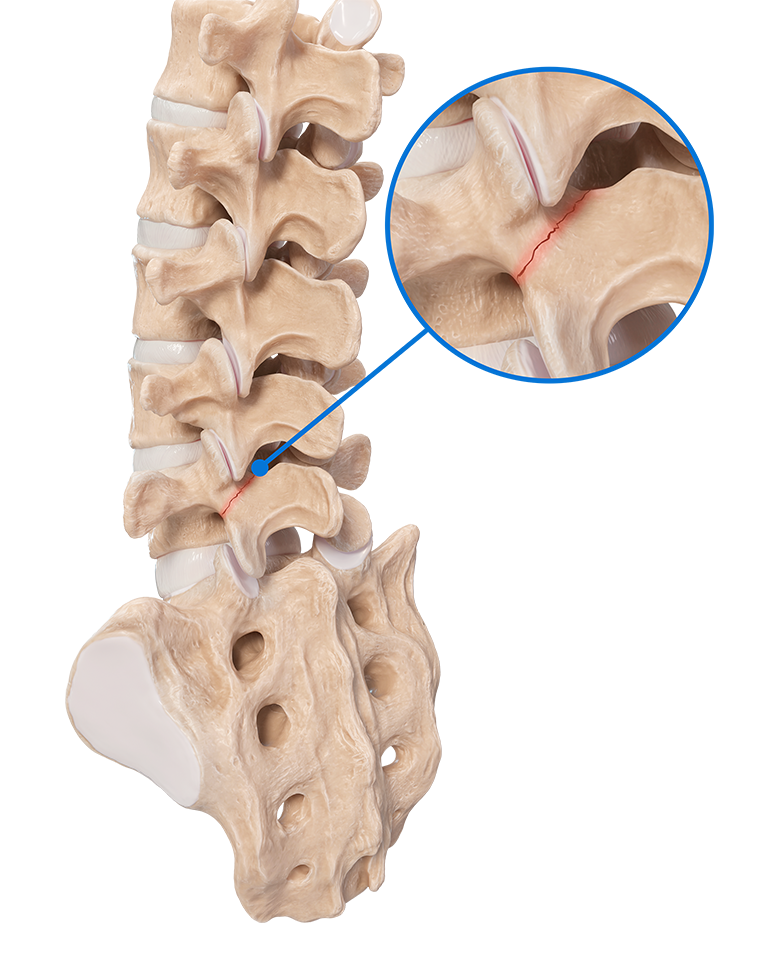
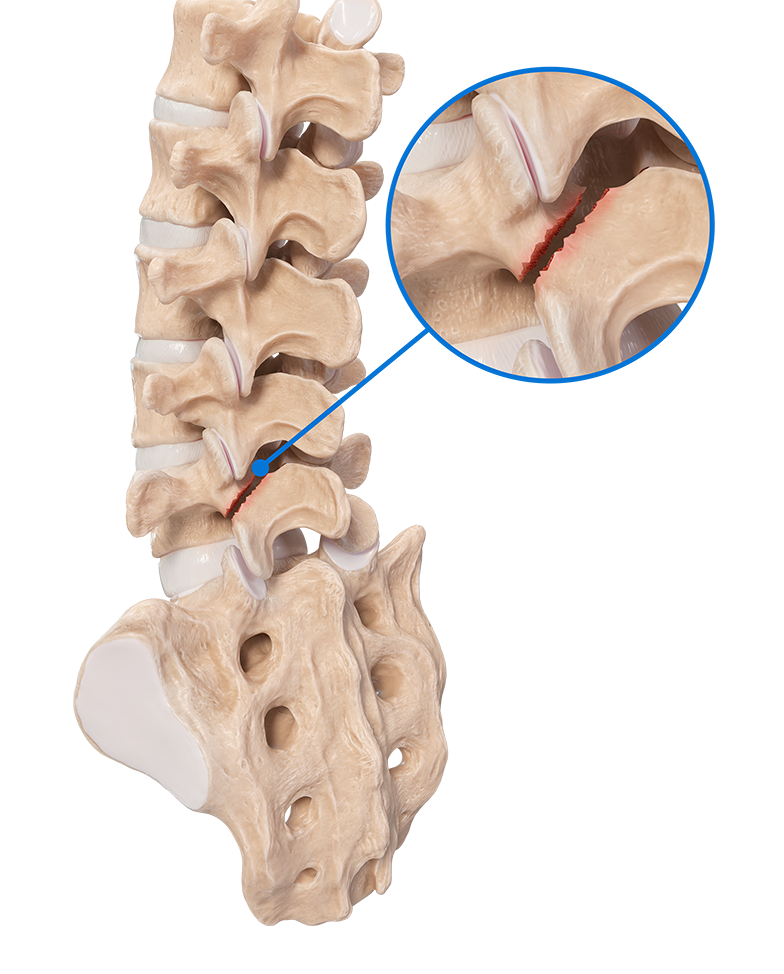
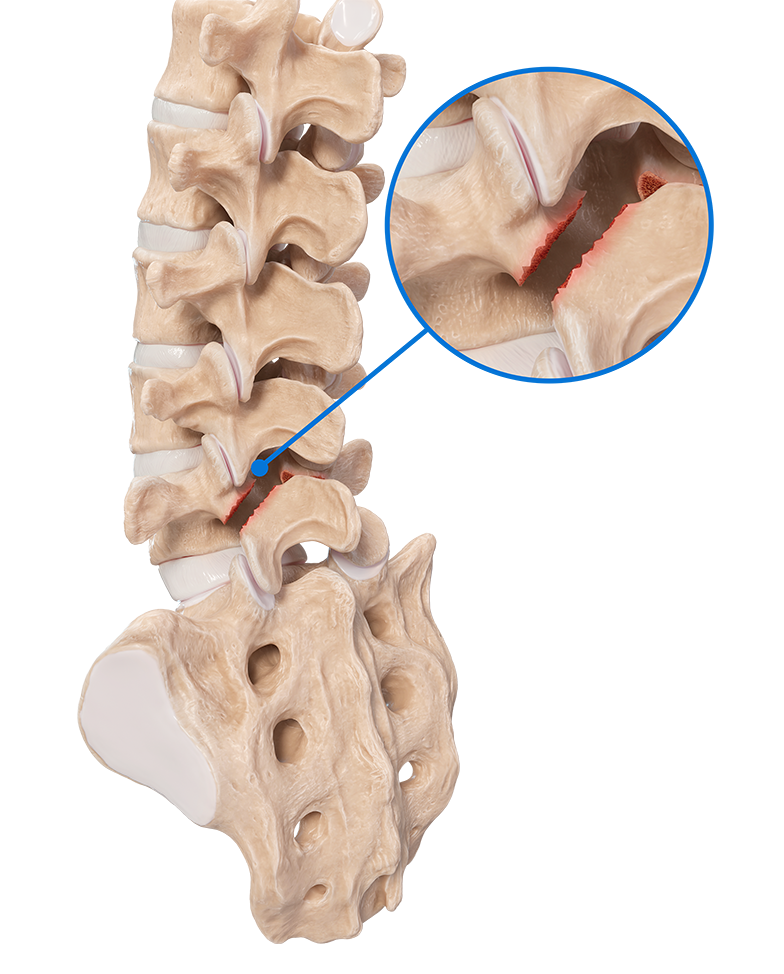
Is Pars Fracture Surgical Repair Right for You or Your Adolescent?

Diagnosis
A pars fracture diagnosis can feel overwhelming—especially if you are worried about sports or long-term limitations. The good news is that, in many cases, it doesn’t mean giving up the activities you enjoy. Pars repair may be an option when a spinal stress fracture continues to cause low back pain despite rest, physical therapy, medications, or bracing.

Recovery and Goals
When a pars fracture is found and treated early, it may have a better chance of healing and may help prevent the condition from getting worse.2 The goal of repair is to help patients get back to the activities they enjoy, including sports when appropriate. Your care team will recommend when it is safe to return to activity based on your recovery.
What Should I Expect From Pars Fracture Surgical Repair?
During pars fracture repair, your surgeon uses a minimally invasive approach to help repair the fracture while allowing the spine to keep moving normally.
Surgery Expectations
What happens during the procedure:
- A small incision is made and live imaging guides the repair
- A screw is placed across the fracture to stabilize and gently compress the bone
- Surrounding muscles and structures are preserved
If additional treatment is needed:
- An ultra-minimally invasive spine endoscope may be used to remove scar tissue and prepare the bone
- A small bone graft may be added to support healing
Why Treating a Pars Fracture Sooner Matters
A pars fracture doesn't always mean your season is over. When treated early, the fracture may have a better chance of healing, supporting a smoother return to sports and other activities. Early treatment may also help reduce the need for more involved surgery later on.
What Can I Expect During Recovery?
Pars fracture surgical repair is performed through very small incisions, so many patients go home the same day and can walk shortly after the procedure. Some soreness at the incision site is expected, with steady improvement in pain and mobility as the fracture heals. Recovery protocol and postoperative management, including medications, are patient-specific and dependent on guidance from your surgeon.

Day 1–Week 1
- Mild soreness around the incision site is common
- Most daily activities can be resumed as comfort allows
- Light movement is encouraged; avoid bending, lifting, or twisting
- A supportive back brace is typically worn to help protect the surgical area, usually for about 6 weeks

Weeks 1-4
- Stabilizing hardware and bone graft support healing
- Activity restrictions help protect the repair
- Gradual return to routine activities as pain improves
- Guided physical therapy may begin during this phase of recovery, including before 3 weeks for some patients, with a focus on core-strengthening exercises that avoid bending or twisting

Weeks 4-8
- Begin or continue guided physical therapy
- Strength and flexibility exercises help restore normal movement
- Noticeable reduction in pain and improved mobility for most patients

2-3 Months
- As patients heal and gain strength, they generally resume most normal activities
- Ongoing improvement in comfort, stability, and function

3-6 Months
- Full healing continues; many patients return to higher-level activities
- Care team monitors healing and may order a CT scan at 3-6 months to confirm fracture has healed before clearing patient for higher-level activity

Frequently Asked Questions
Find answers to common questions about pars fractures, treatment options, recovery, and what to expect during your care journey.


What is a pars fracture?
Why might I need surgery for a pars fracture?
What happens during pars fracture repair surgery?
How long is the recovery time?
Will I need physical therapy after surgery?

Find a Doctor Near You
Find a Doctor Near You
Enter your city, state, or ZIP (US only) to find a doctor near you.

© 2024 Arthrex, Inc. All rights reserved.
v2.3.0